📬 Longseller Newsletter
Daily insights into books that sell for 10+ years.
Free · Unsubscribe anytime
A mystery play set in 1912, where a police inspector interrogates a wealthy family about a young working-class woman's suicide. Each family member is revealed to have played a part in her demise, forcing them—and the audience—to confront themes of social responsibility, class exploitation, and collective guilt in a single, tense evening.
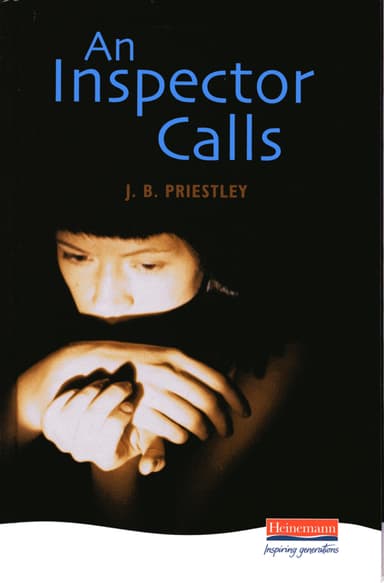
The 1992 Heinemann edition appears to have capitalized on the institutionalization of the UK's National Curriculum, which created demand for accessible, teachable literary works. In a post-Thatcher/Reagan era, its potent critique of unchecked individualism offered a compelling, classroom-ready counter-narrative. Compared to denser classics, its self-contained structure and high-impact moral drama made it a pragmatic choice for educators across the Anglosphere.
So why did it keep selling?