📬 Longseller Newsletter
Daily insights into books that sell for 10+ years.
Free · Unsubscribe anytime
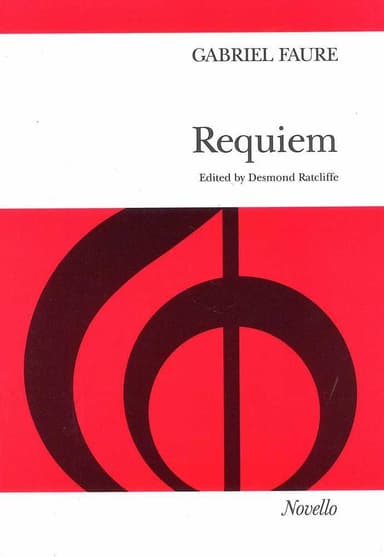
This book is the vocal score for Gabriel Fauré's Requiem, arranged for a four-part choir (Soprano, Alto, Tenor, Bass) with a piano reduction of the orchestral accompaniment. It contains the complete musical notation and Latin text for the seven movements of the choral work, which is a musical setting of the Roman Catholic Mass for the Dead, focused on themes of peace and eternal rest.
Around 1900, the market for sacred music was dominated by dramatic, large-scale Requiems (e.g., Verdi, Berlioz). Fauré's work offered a radical differentiation: it was intimate, consoling, and deliberately omitted the terrifying “Dies Irae” (Day of Wrath). This met a growing need in the Anglosphere for a more personal, less dogmatic expression of grief, appealing to both church choirs and the burgeoning amateur choral society movement seeking accessible yet profound repertoire.
So why did it keep selling?